This dilemma of the aestheticization of violence and how our contemporary culture has near desensitized our empathy with pain and suffering has greatly influenced our respect for our environment, considering the natural world something malleable, that we think we can control. For Le Phi Long, the destruction of the land and the upheaving of ancestral communities for socio-economic progress are of particular concern. He is drawn to the myriad families from Ben Tre and surrounding provinces, arguably thought relocated to Can Gio in 1978. These families responded to a governmental reform of the countryside following the Vietnam War, urging the re-planting of thousands of mangrove seeds from the Mekong Delta to Can Gio. Long spent much time during his residency with the remaining families who struggle to eke out a living in this UNESCO natural reserve that few tourists appropriately respect. Long’s use of materials is central to this ensuing body of works, where metal is molded to wood in such a way that the metal acts like an initial band-aid to an inflicted wound by mankind, only to eventually consume its entire host. Working with sculpture, photography, performance and drawing, his practice subtly refers to the trauma of industrializing societies where systems of finance govern supreme with irreversible social and natural effects.
— Text by Zoe Butt, Curator and Executive Director at Sàn Art
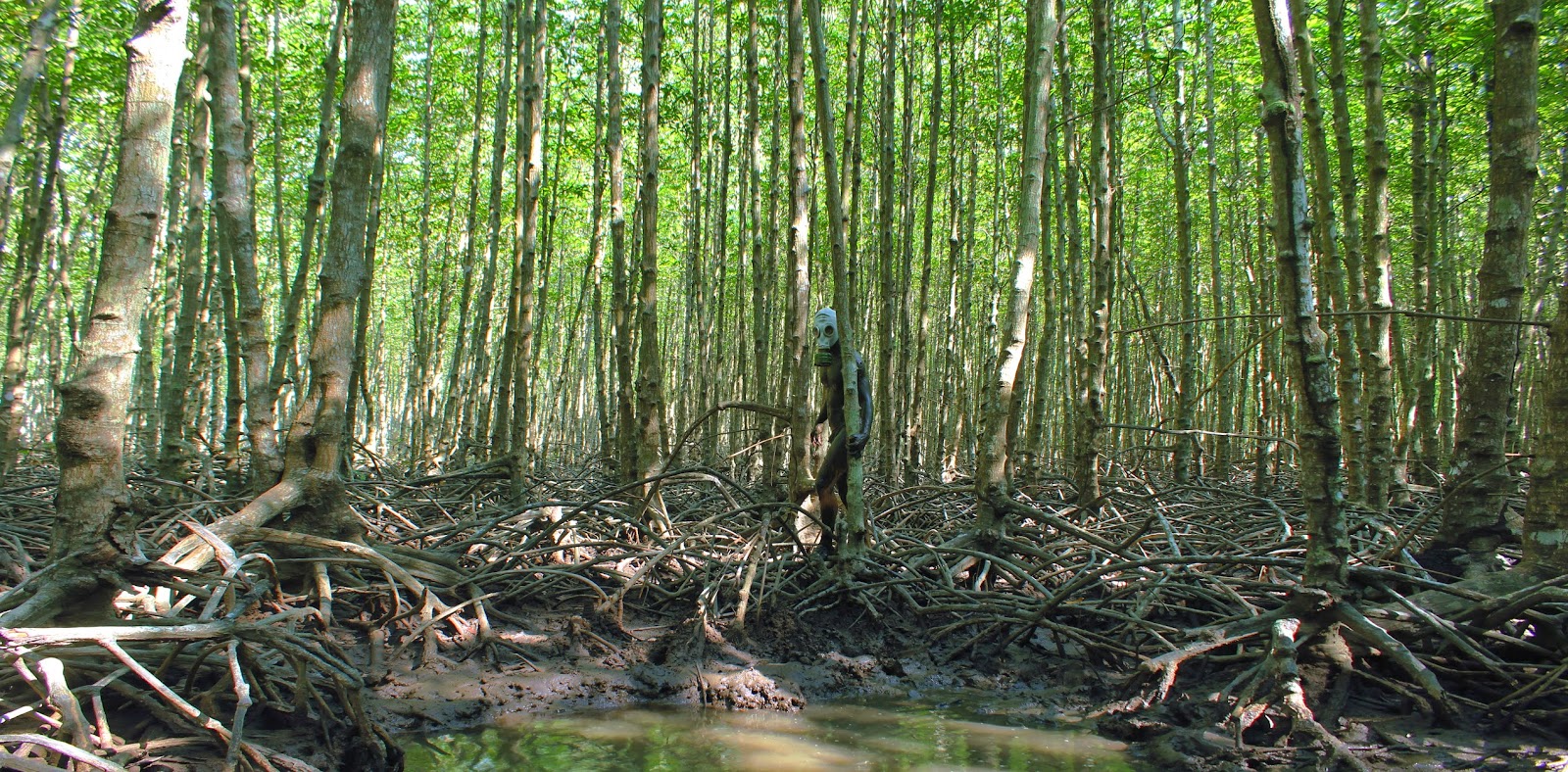
In Sac Jungle, 2014
Digital print on aluminum; wood, silver leaf. ed. 3 and 1AP
100 x 200 x 4cm
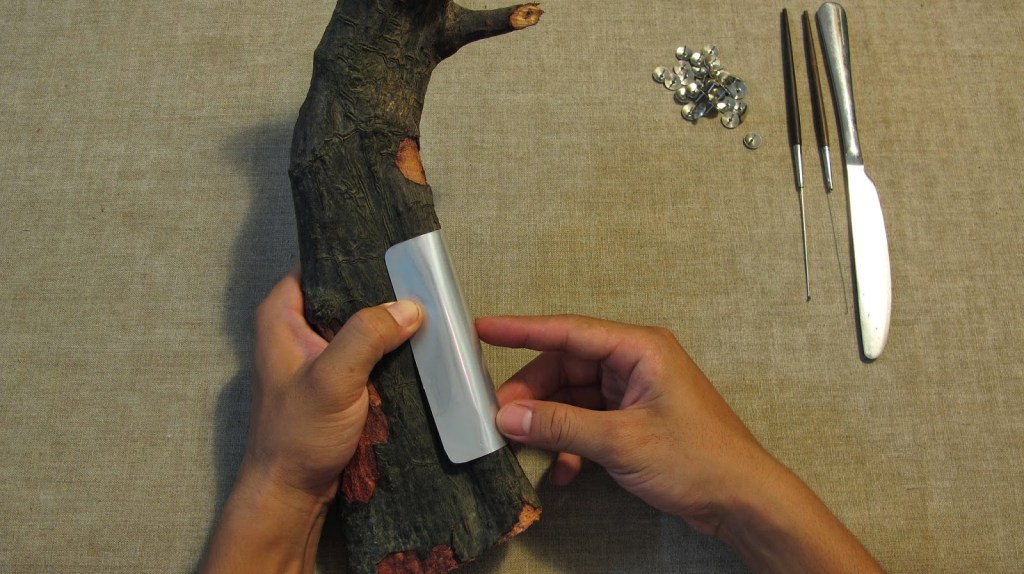
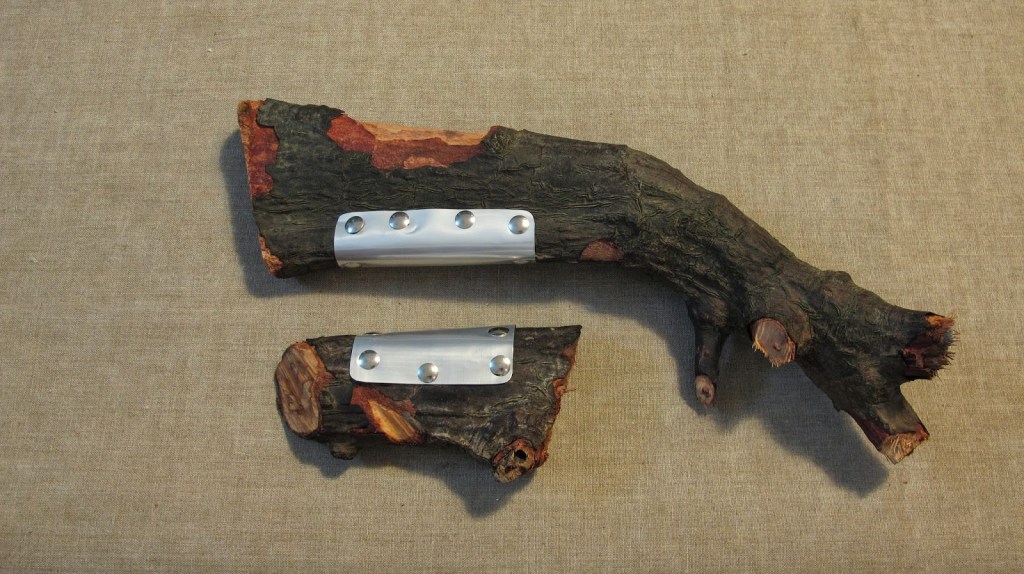
Disparate Invasions, 2014
Sculpture : aluminum, mangrove wood
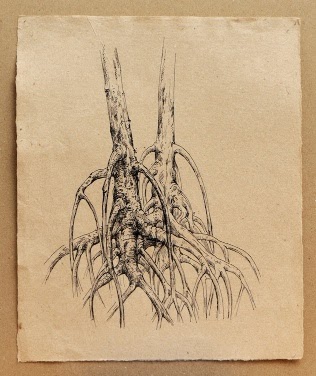
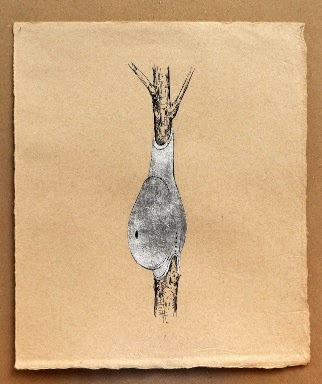
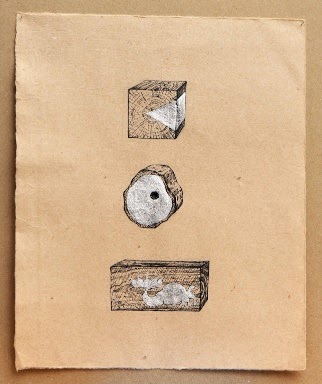
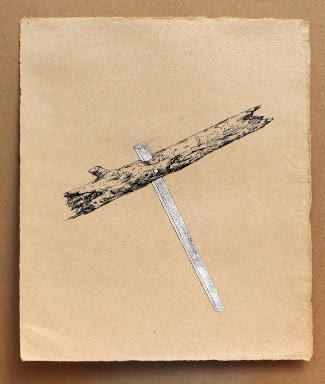
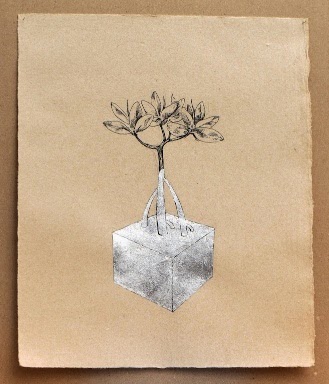
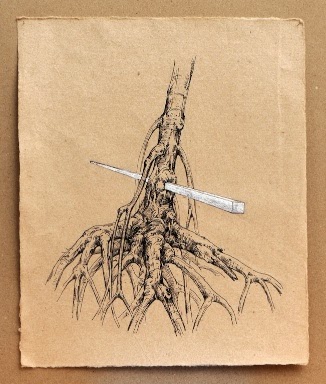
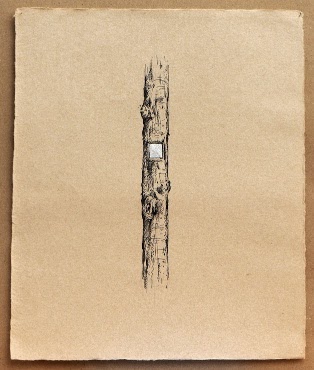
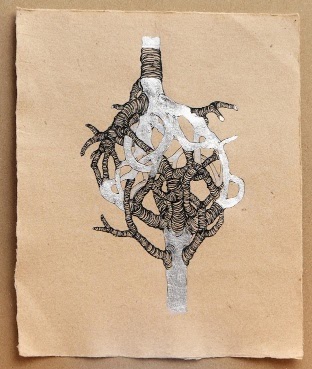
Disparate Invasions, 2014
Watercolor, silver leaf, Do paper
32 x 37 x 4cm

