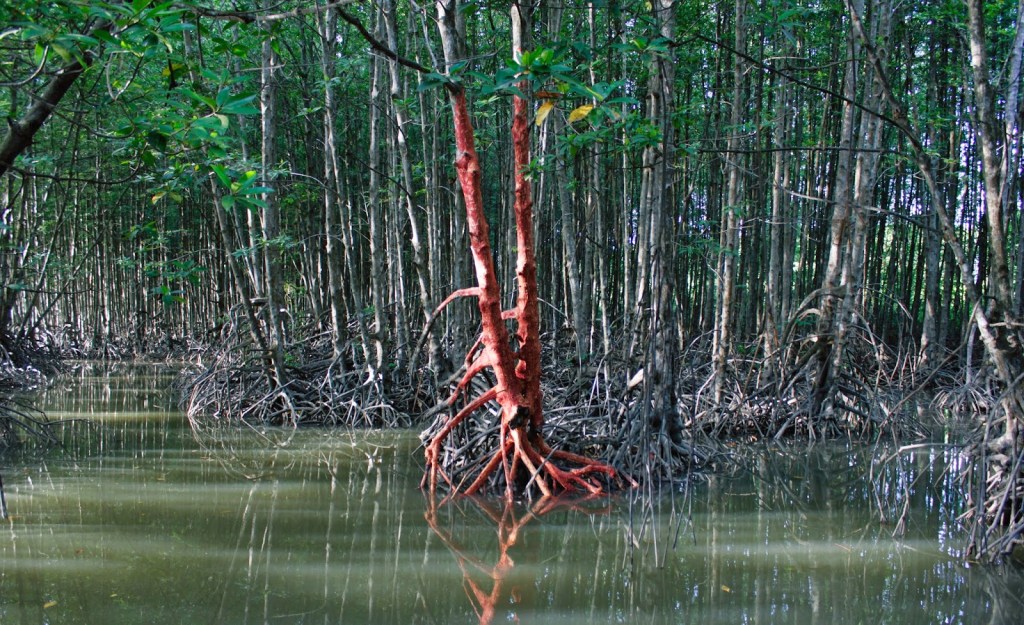
The Sac Mangrove Jungle in Can Gio district, Ho Chi Minh City, was a major target of herbicidal warfare during the Vietnam War. According to Nature magazine, the operation in Vietnam remains the largest chemical warfare campaign in history. From 1961 to 1971, under Operation Ranch Hand, the U.S. military and the Army of the Republic of Vietnam sprayed 76.9 million liters of chemicals, including 370 kilograms of dioxin, over the mountains and rural areas of South Vietnam (Young, USA 2009). Most of these herbicides, particularly Agent Orange (AO), contained dioxin and were sprayed repeatedly at high density over 25,000 villages. At the time, 16 million people lived in South Vietnam, and it is estimated that between 2.1 and 4.8 million were exposed to dioxin in varying degrees (Stellman, Nature 2003). The U.S. Environmental Protection Agency (EPA) has confirmed that dioxin is carcinogenic and has long been a major international concern.
Although nearly 40 years have passed since the war ended, its legacy continues to haunt Phi Long, as many of his brothers and friends were poisoned or killed by the chemicals in childhood. Even now, the community around him remains affected by this poison at varying levels. Observing the Mangrove Jungle in Can Gio—once ravaged by chemical warfare, and now flourishing through its own natural recovery process—teaches valuable lessons on how to address the ongoing challenges of dioxin contamination.
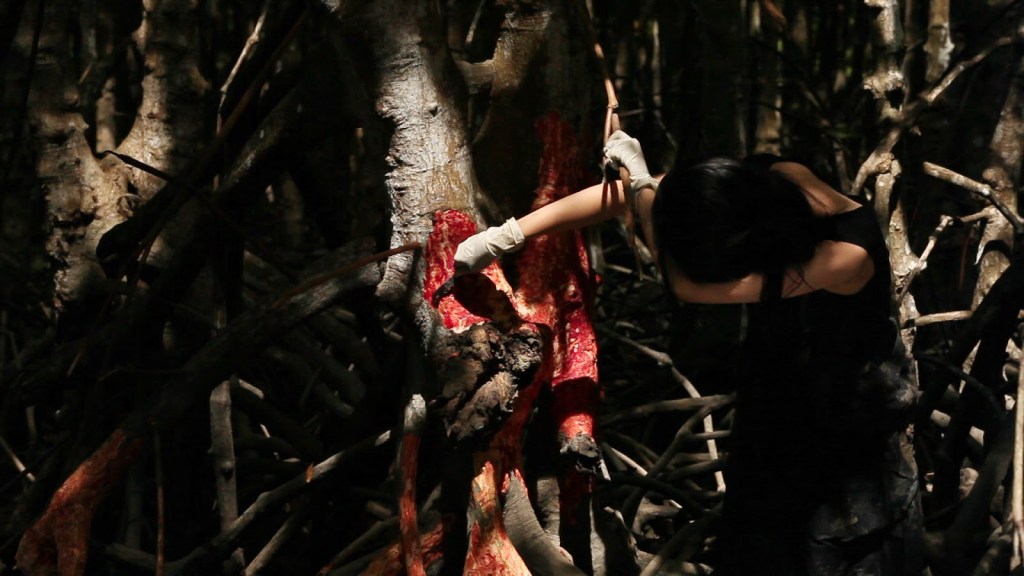
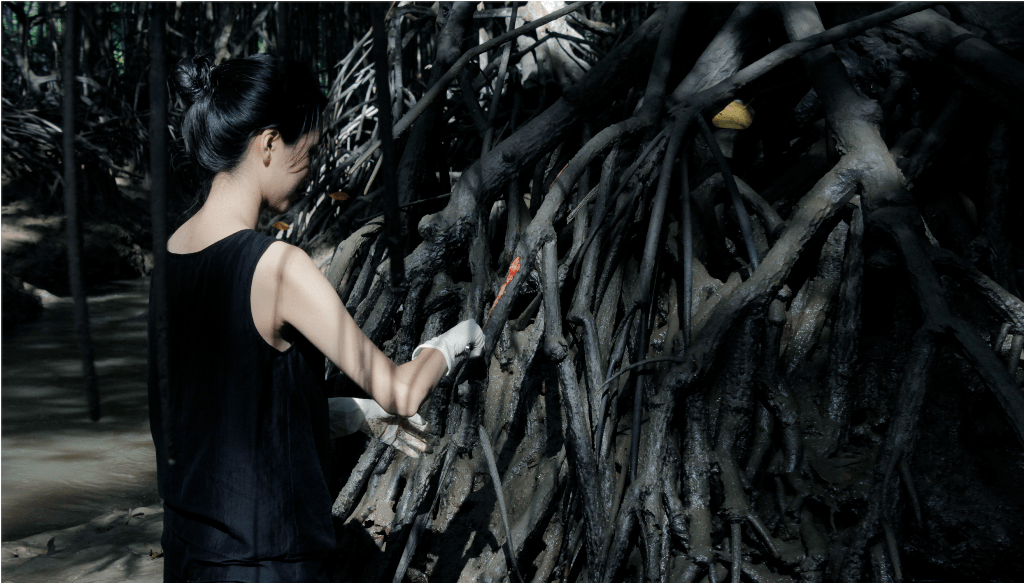
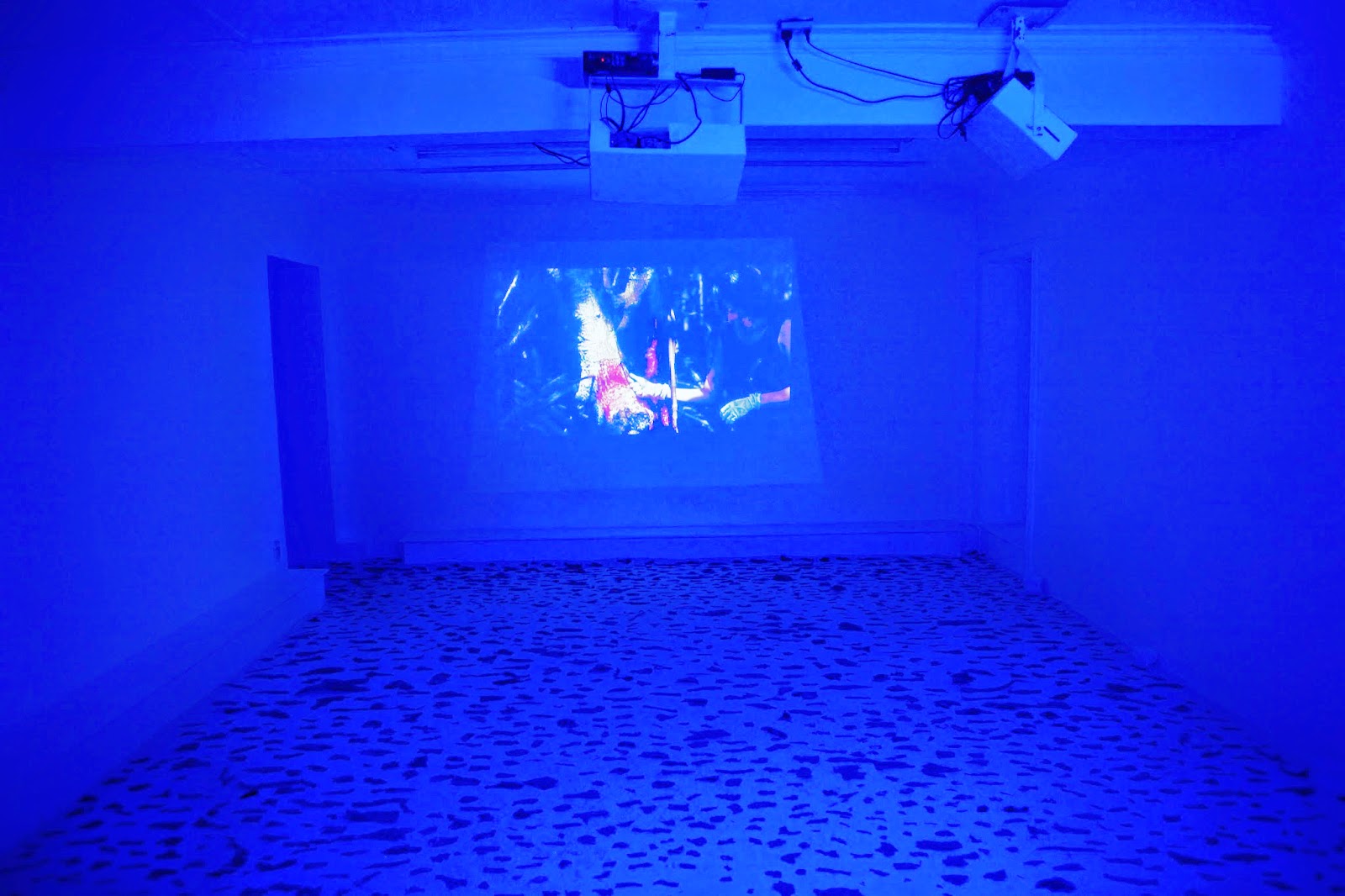
This artwork is housed in an enclosed space, featuring a 7-minute video showing the peeling of tree bark, an installation capturing the sound of the bark being peeled, and a display of tree bark collected from the Sac Jungle, scattered across the gallery floor. The room is dimly lit with blue light. Phi Long’s intention in creating this space is to evoke a suffocating atmosphere that blurs the boundaries of reality. Only a few visitors are allowed to enter at a time, encouraging them to immerse themselves in the materials and deeply reflect on the historical context of the work.
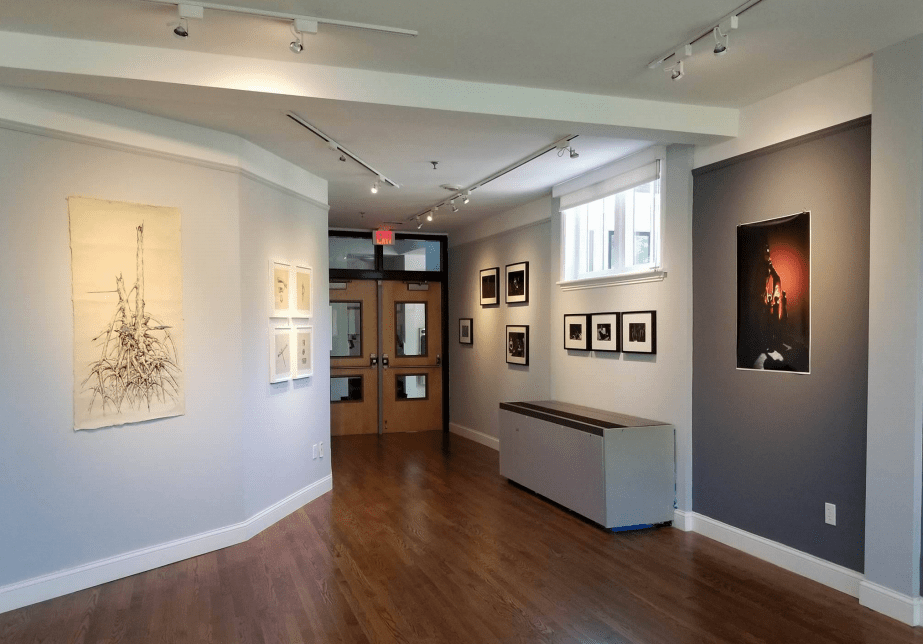
Sác – Sát Experimental Program was on exhibition at Sao La in Ho Chi Minh City, Vietnam in January 2015, and later at part of a group exhibition titled “Failed Not” at Wedeman Gallery in Newton, MA.
SPECIAL THANKS TO:
Artists: Dinh Q Le, Uu Dam Tran Nguyen, Tung Art
Cameraman: Huy Le
Model: Honey Nguyen


 Phi Long Le