In the fall of 2015, the next location identified for exploration on the dioxin contamination map of Vietnam was Bien Hung Lake, situated in Bien Hoa, Dong Nai Province, in southern Vietnam. The lake, surrounded by blue waters glinting in the sunlight, lush greenery, and a newly constructed park, presents a paradoxical scene. It bustles with activity—couples paddle duck boats accompanied by cheerful music, children laugh in colorful theme parks, and crowds fill the culinary streets on vibrant Saturday nights. Among my photographs is one titled “Happy Day,” depicting a couple posing for their wedding shoot in this seemingly idyllic location. This joyous reality feels almost incongruous, a veneer masking the darker historical truth of this land. From a neutral perspective, Bien Hung Lake represents a complex cultural and historical narrative that demands careful scrutiny over time.
I felt like an outsider, following a story shaped by vast amounts of scientific data about the area: Operation Ranch Hand, the dioxin exposure in ecosystems and human bodies, and the intergenerational issues that persist.
The deeper I delved into the research, the more difficult and vast the topic became, demanding immense patience. The field survey data was so overwhelming it felt as if it could swallow me whole, distorting my sense of reality. Contradictions emerged, stark and unsettling, almost mocking in their intensity. Bien Hung Lake lies adjacent to Bien Hoa Airbase, which served as a major storage site for herbicides used in Operation Ranch Hand, a defoliation campaign under the broader “Operation Trail Dust.” During World War II, the U.S. government, through the National Science Council, developed chemicals like 2,4-D and 2,4,5-T (later known as Agent Orange) for use against Japan, but the plan was abandoned following discussions between President Franklin D. Roosevelt and Admiral William D. Leahy. The chemicals were not used during the war. However, in the late 1950s, the U.S. Department of Defense revived its interest in these herbicides after British forces successfully used them in Malaya. Testing began at Camp Drum, New York, in 1959, with the same amounts later deployed in Vietnam.
Operation Ranch Hand, launched in 1961, became a cornerstone of U.S. military strategy in Vietnam. Approximately 76.9 million liters of herbicides, including 336 kilograms of dioxin, were sprayed over South Vietnam between 1961 and 1972 to destroy vegetation, clear food crops, and reduce guerrilla cover. Agricultural areas suspected of being controlled by the National Liberation Front (NLF) were specifically targeted. By 1970, discussions at the “War Crimes and the American Conscience” conference and subsequent research by scholars like Galston, who coined the term “ecocide,” highlighted the ecological devastation caused by these chemicals. The Yale Vietnam Conference in 2002 corroborated this, describing the U.S. campaign as the largest-scale chemical warfare in human history. Bien Hung Lake, along with other affected areas, remains a disturbing reminder of this history, with contamination still impacting ecosystems and communities.
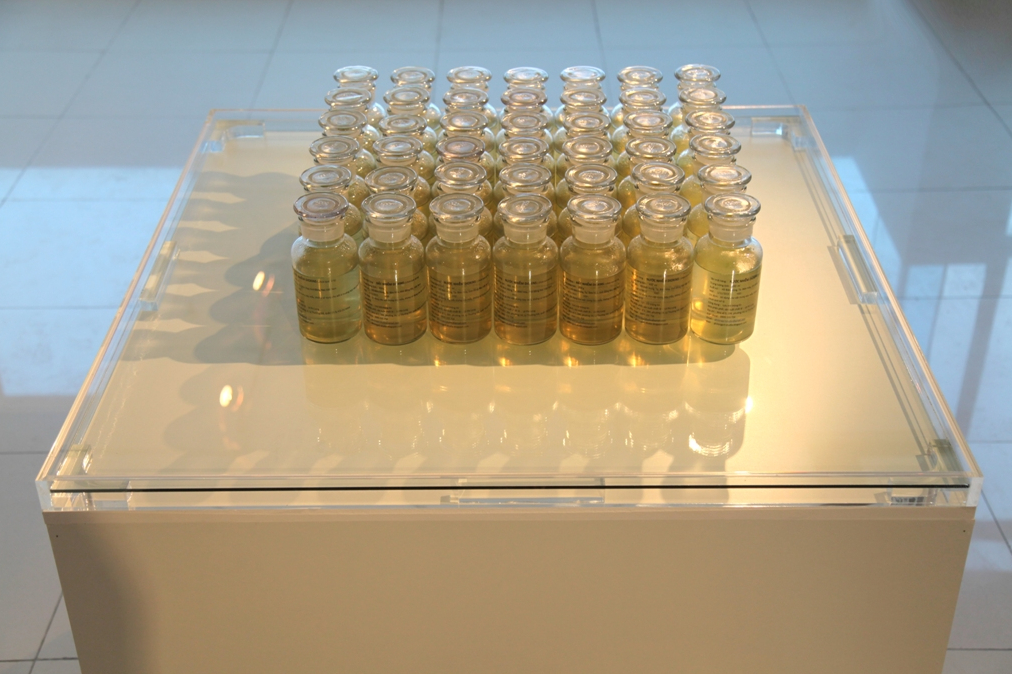
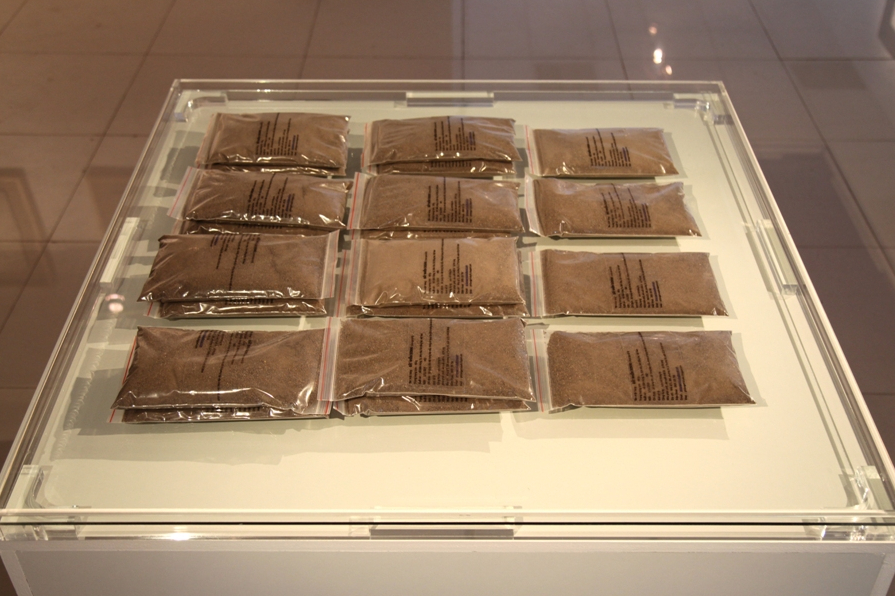
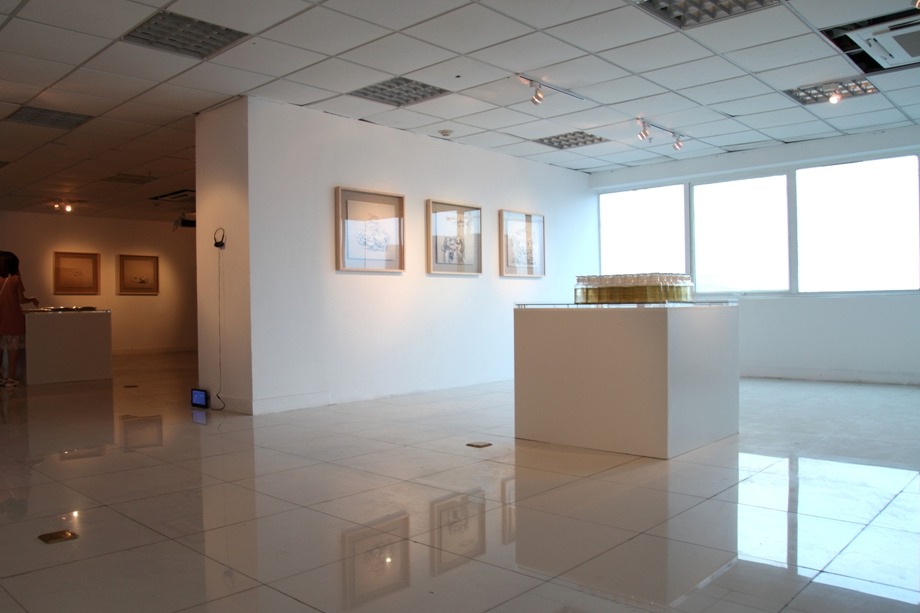
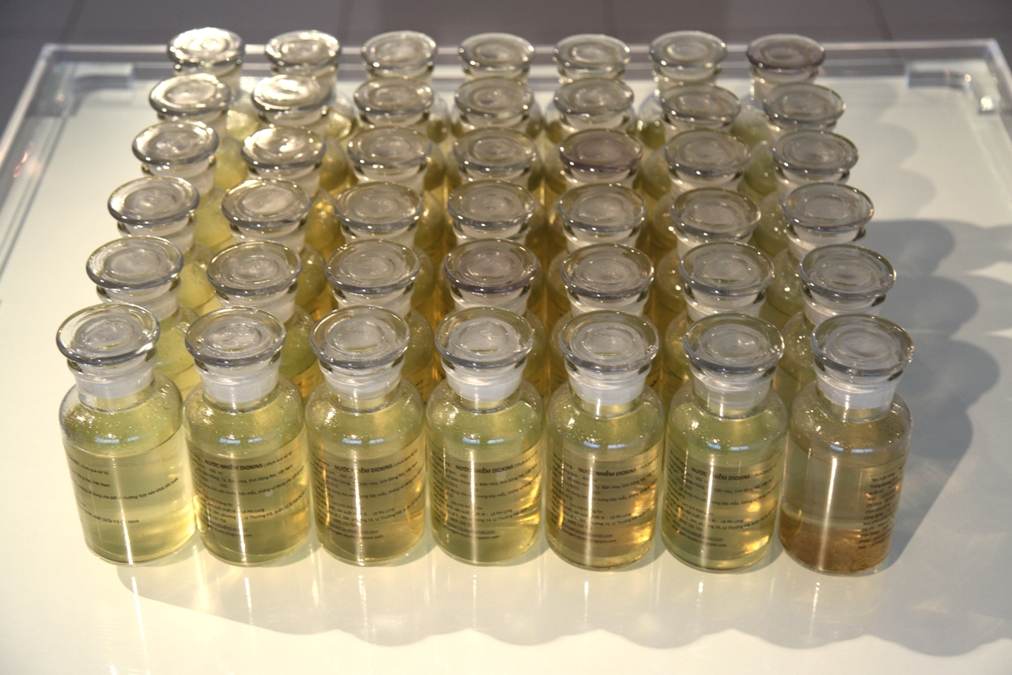
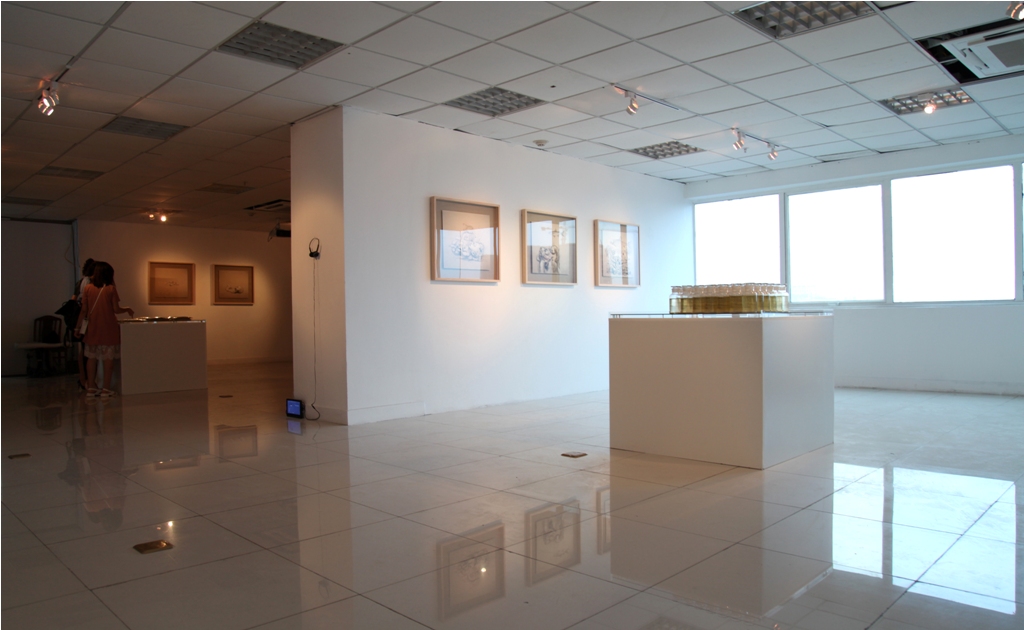
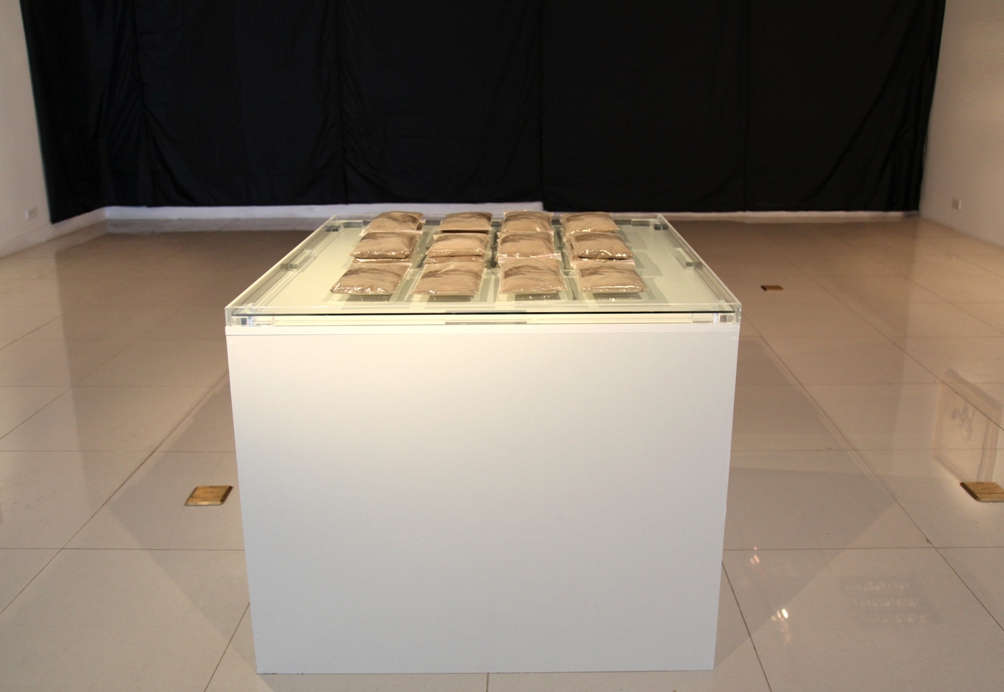
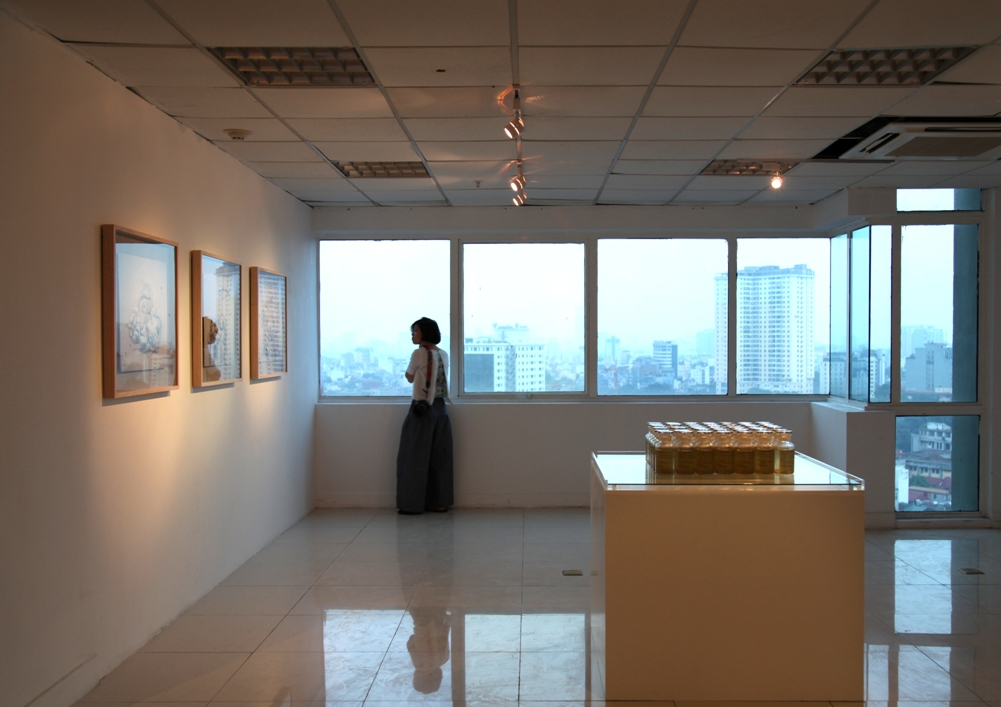
The core of my work is rooted in the geographic distribution maps of dioxin-affected areas from Operation Ranch Hand. The “Silent Lake” project focuses on examining Bien Hung Lake’s current state, its influence stretching from Bien Hoa Province to Ho Chi Minh City. The project investigates data on losses, historical events, and conflicts between past and present, aiming to highlight the lake’s enduring significance. Using soil and water from Bien Hung Lake, my installation “Soil and Water” explores these issues through art. The soil was dried and packaged, while the water was preserved in glass bottles, reminiscent of the formaldehyde jars used to store dioxin-affected fetuses at Tu Du Hospital. Labels with usage information accompanied the materials, bringing a sense of immediacy and direct engagement with the problem. Witnessing and handling these materials firsthand provided a tangible connection to the overwhelming data, enabling a deeper reflection. Transporting the soil and water to Hanoi allowed for an objective recontextualization, separating the materials from their original site for analysis.
Mr. Bakhodir Burkhanov, UNDP Deputy Country Director in Vietnam, estimated that dioxin levels at Bien Hoa Airbase exceed national and international safety standards by hundreds of times. According to Office 33, the airbase was the main storage site for herbicides during the war. At least four major spills occurred there between December 1969 and March 1970, releasing approximately 25,000 liters of Agent Orange and 2,500 liters of Agent White into the environment. Rainwater carried these toxins through a network of ponds, lakes, and drainage systems, eventually reaching Bien Hung Lake and Dong Nai River. Contaminated aquatic habitats transferred the toxins into the food chain, with fish and other animals becoming heavily polluted. Despite prohibitions, fishing in these areas remains largely unregulated, posing ongoing risks to local residents.
Contemporary Vietnam exists amidst contradictions, entangled in the overlapping complexities of past, present, and future. Investigating this knowledge and confronting these realities fueled my determination to simplify and directly address these issues through “Soil and Water.” For me, this project became a means of untangling the complicated dilemmas surrounding dioxin’s legacy.
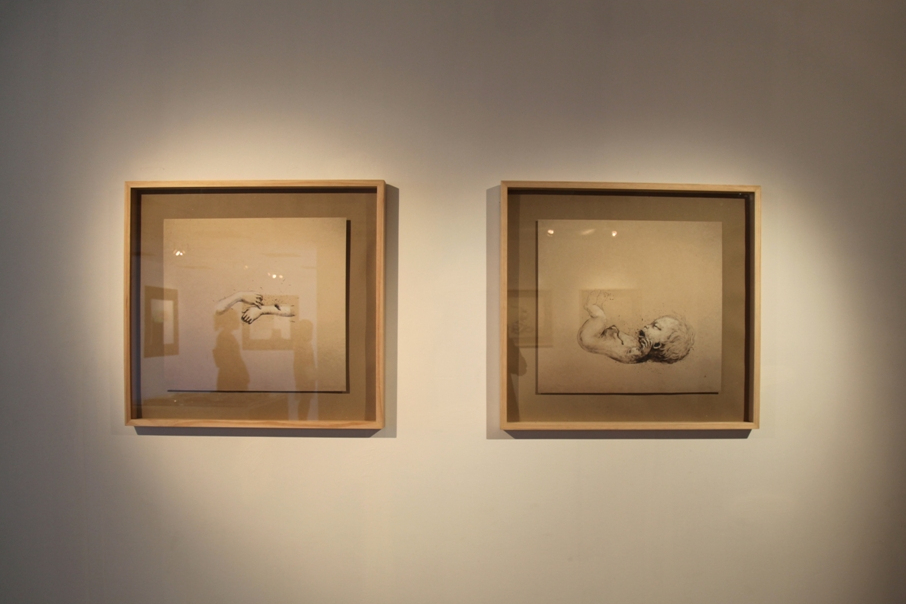
The series “The Prolonged Interventions” was completed in July 2015 and exhibited in Atlanta, GA, USA, in August of the same year. The series incorporates surreal drawings inspired by the impact of Agent Orange, the data from dioxin-affected areas, and the imagery of fetuses stored in jars at Tu Du Hospital. Using black ink on Do paper, I simplified the visuals, maintaining a homogeneous surface that seamlessly integrates landscapes, human figures, and imagined creatures. By reconstructing images, spaces, environments, and time, I created surreal compositions that evoke powerful emotions.
The drawings radiate an intense energy, portraying an explosive interplay between humans and other creatures. There is a juxtaposition of peace and tranquility with profound sorrow. Although titled Prolonged Interventions, the series serves as a bridge to connect memories and expose buried truths. My goal was to release the pent-up emotions hidden behind a seemingly impenetrable wall, breaking societal complacency and encouraging a reexamination of history to address unresolved challenges.
The conflicts depicted in the work encourage reflection and empathy for the selected subjects, aiming to foster a deeper understanding of these historical issues. Ultimately, the drawings convey hope for a more tolerant coexistence, where human and environmental habitats can thrive in harmony.

 Phi Long Le